The infrastructure that lasts
as long as the home.
House wire and metal boxes, engineered to spec. Because what runs inside your walls should be as considered as what sits on them.
FRLS certified
Flame retardant, low smoke, low halogen — per IS 694:2010.
99.97% pure copper
Electrolytic grade, annealed. Not alloy, not scrap-blend.
Triple-coated FR PVC
Heat resistant to 70°C continuous. Doesn't turn brittle after 5 years.
Full IS 8130 conductor spec
Every strand count, every resistance value — measured, not marketed.
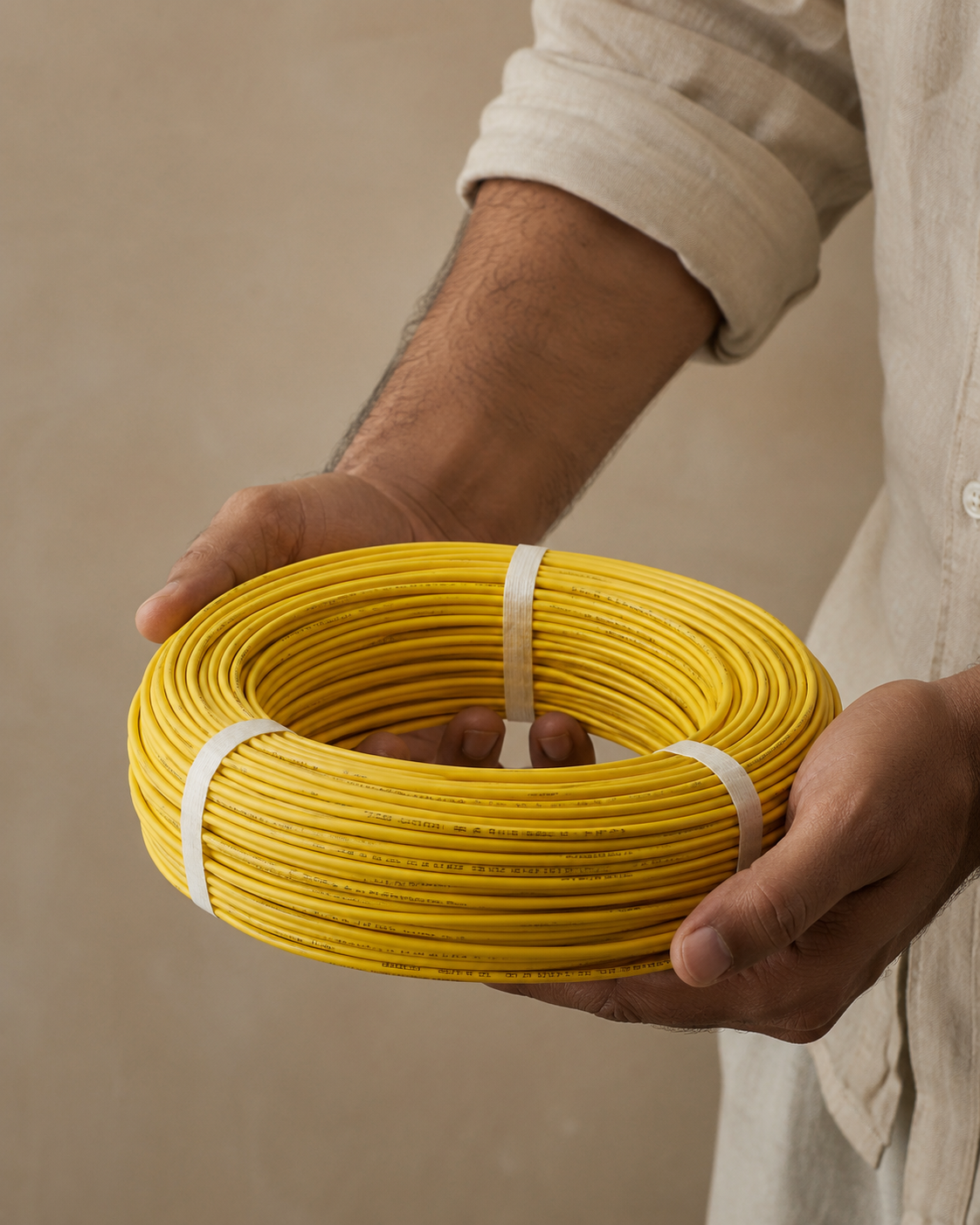
Built to carry current
honestly, for the next thirty years.
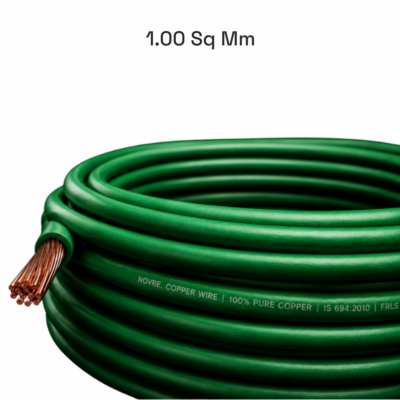
Pure electrolytic copper conductor. Triple-coated flame-retardant PVC. Resistant to heat and smoke under load. The wire inside your walls, engineered with the same discipline as the plate in front of them.
- Copper Electrolytic grade, 99.97% purity, annealed for flexibility
- Insulation Triple-coated FR PVC, heat resistant to 70°C
- Standard IS 694:2010 · 1100V voltage grade · ROHS compliant
- Available in 0.75, 1.00, 1.50, 2.50, 4.00 sq mm · 5 colours · 90 Metre coils
Colour-coded because your electrician shouldn't have to guess.
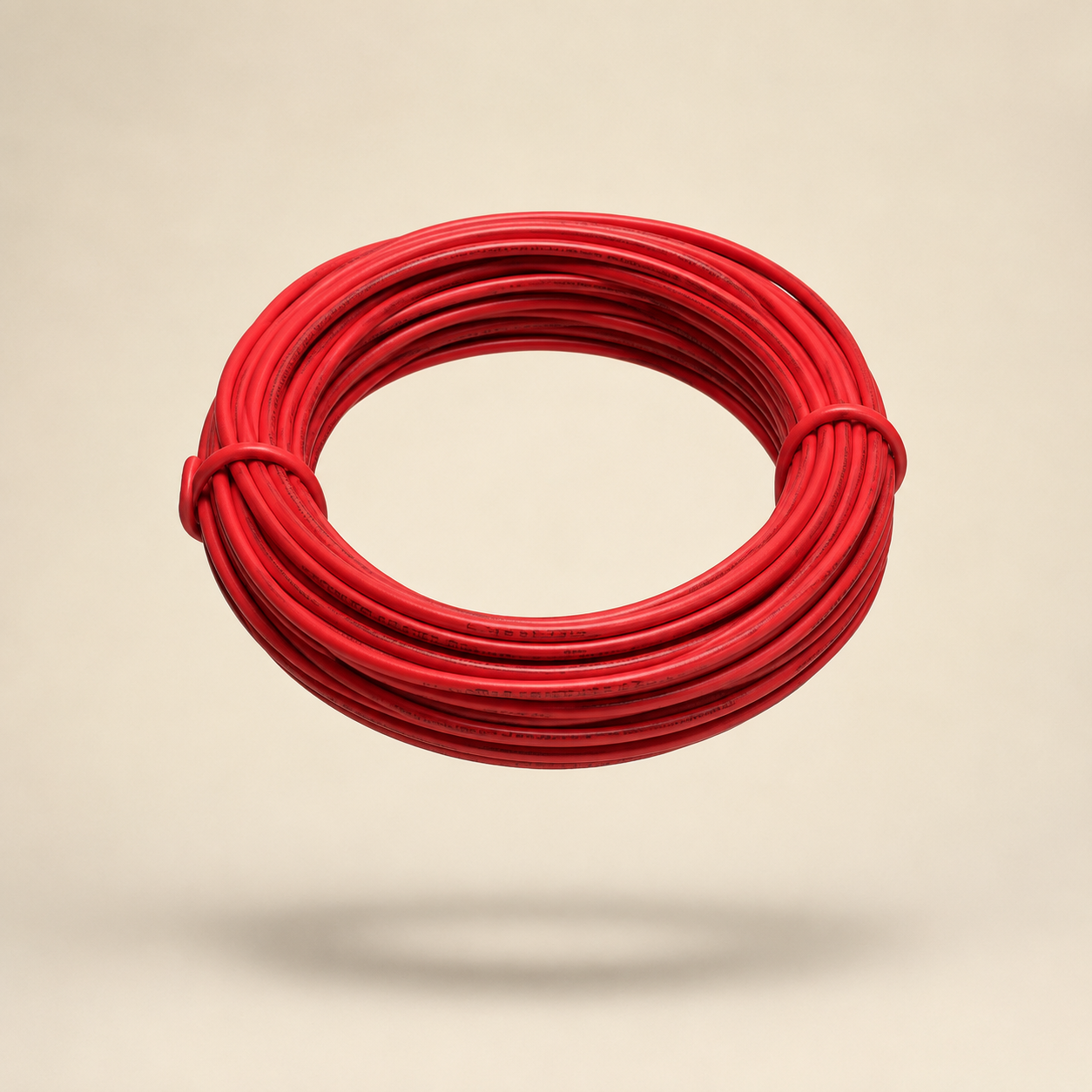
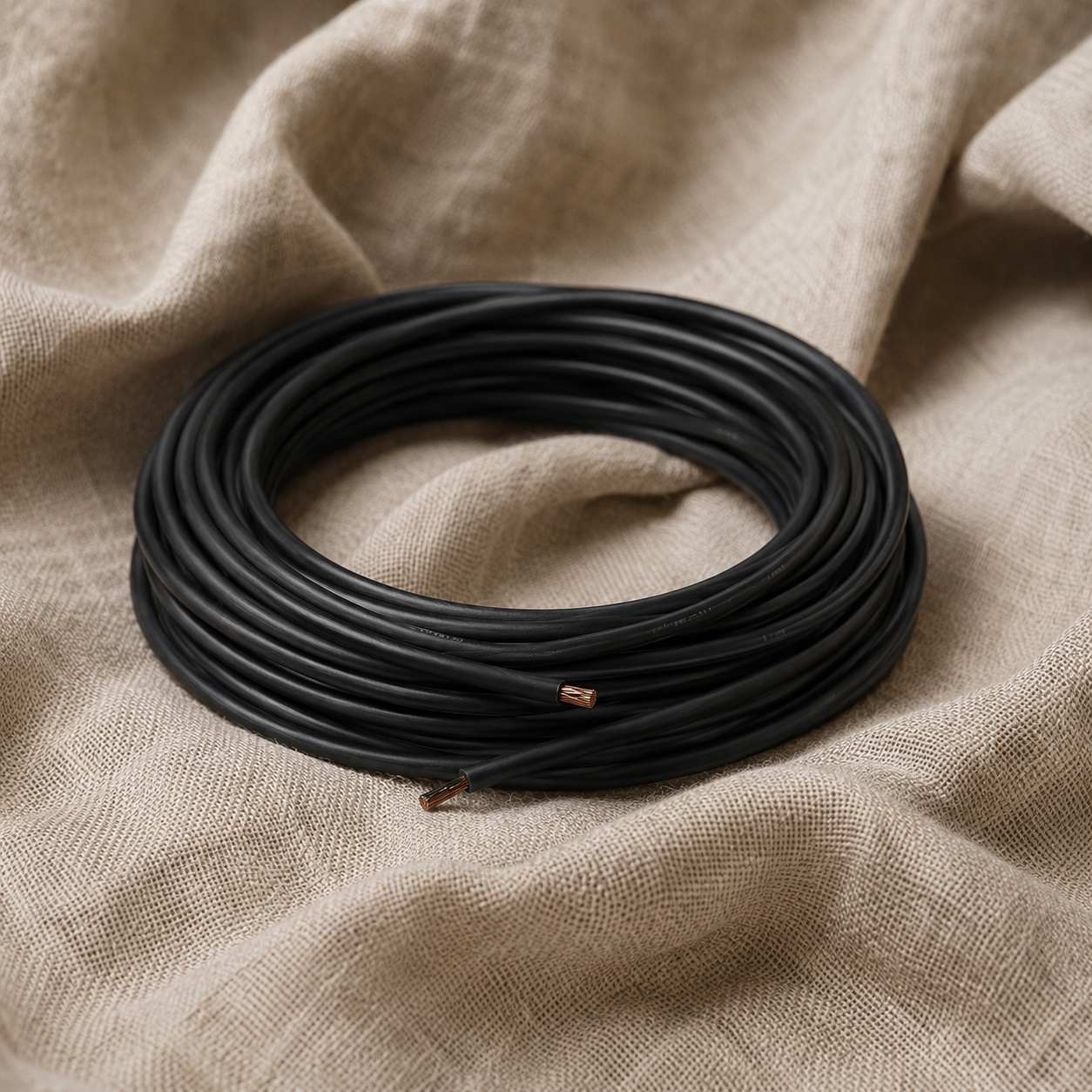
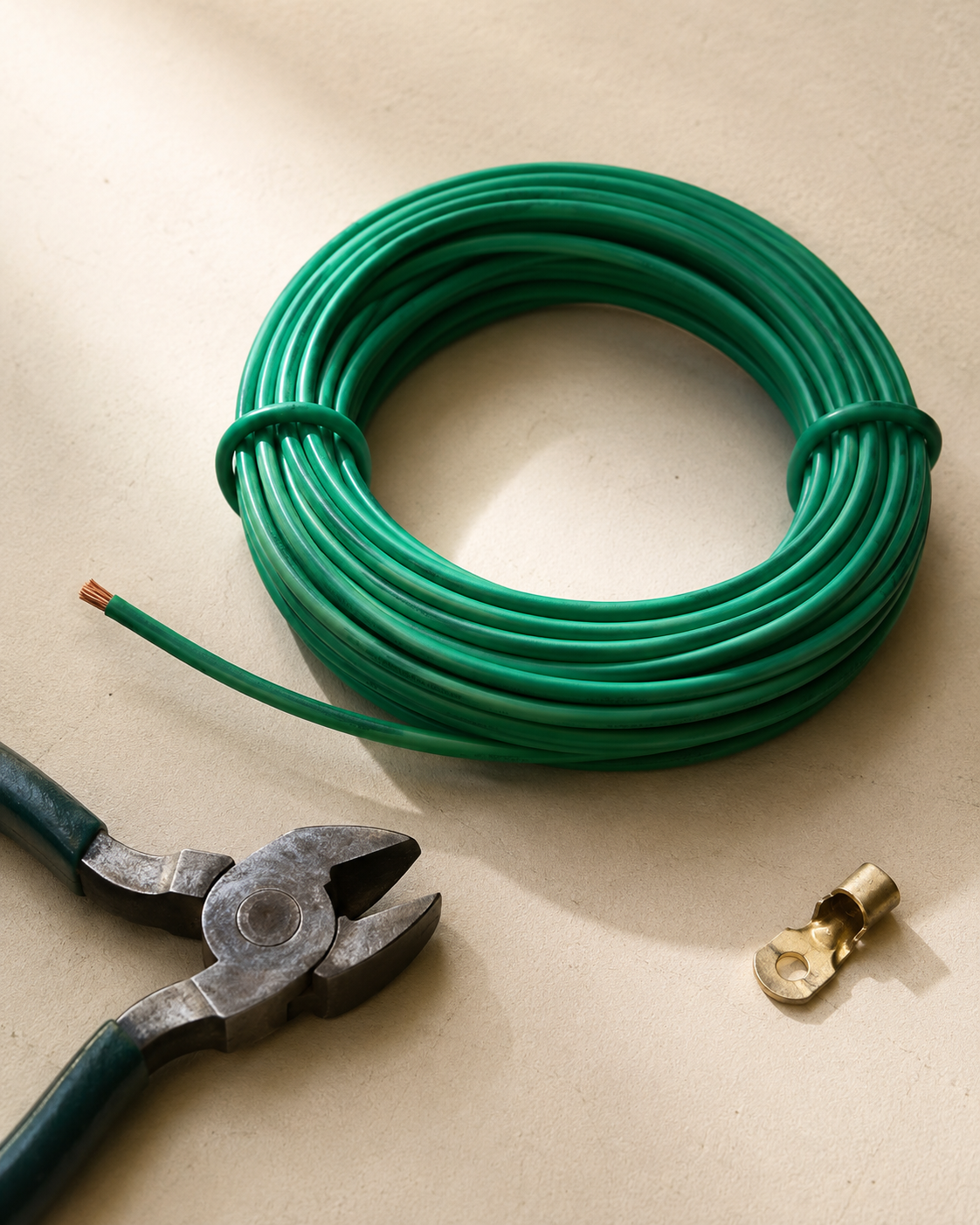
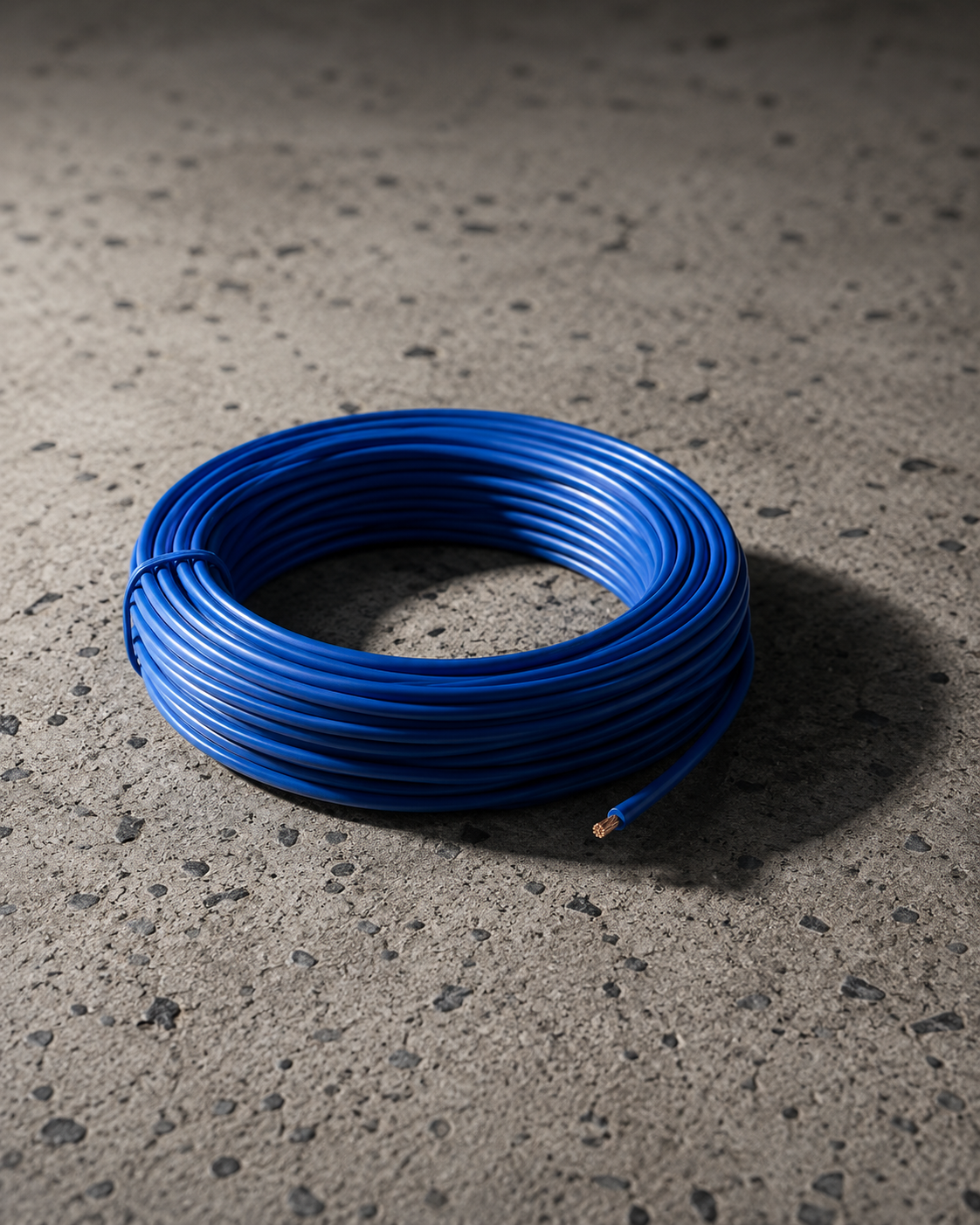
Five colours, one system per IS 694. If you're rewiring an existing home, keep to the same code — mixed conventions is the number-one cause of electrician confusion and long-term safety hazards.
What FRLS actually means
(and why you shouldn't compromise).
Flame Retardant
Doesn't feed fire. The insulation self-extinguishes when the ignition source is removed — critical in the first 60 seconds of a short-circuit event when most residential fires start.
Low Smoke
Standard PVC releases dense black smoke when it burns. In enclosed spaces — bedrooms, corridors, stairwells — smoke inhalation is the leading cause of fire fatalities. LS-rated insulation gives occupants more visibility and cleaner air to evacuate.
Low Halogen
Halogen gases from burning PVC are corrosive and toxic. They damage electronics, corrode metals, and cause respiratory harm. Low-halogen wire is why FRLS is the specified standard for hospitals, schools, and high-rise residential.
Every Joule wire we sell meets the FRLS specification per IS 694:2010. If a listing doesn't say FRLS, walk away — even from us.
Every gauge, every colour, on one page.
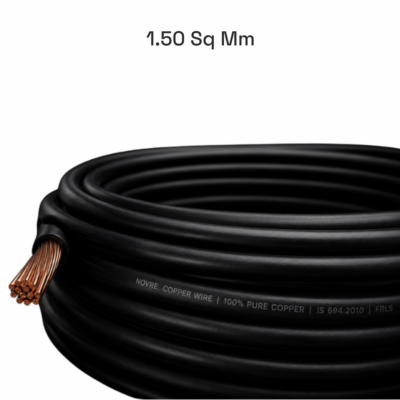
₹3,426
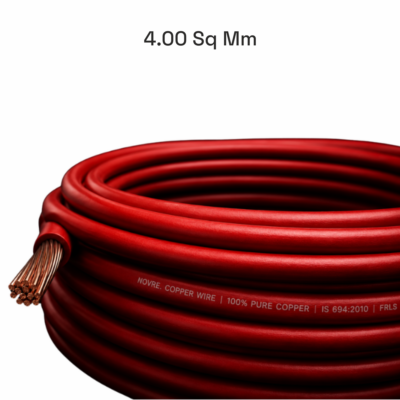
₹7,933
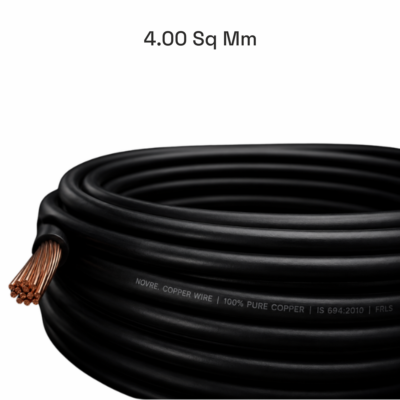
₹7,933
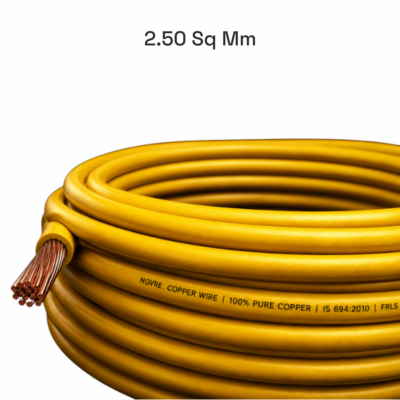
₹5,527
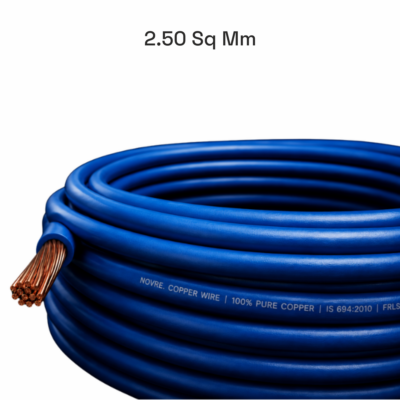
₹5,527
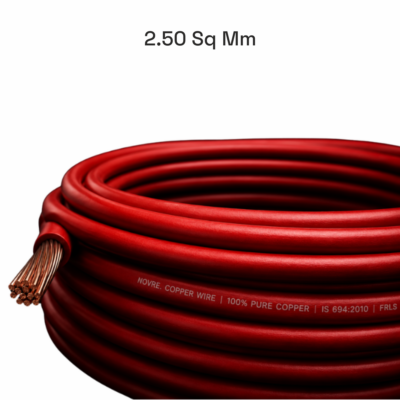
₹5,527
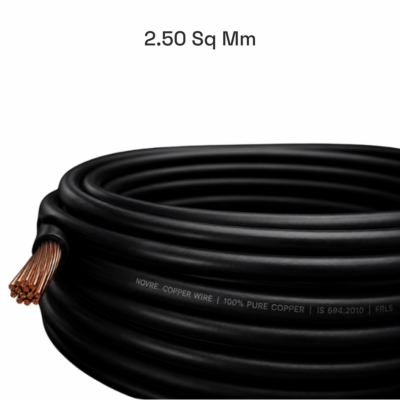
₹5,527
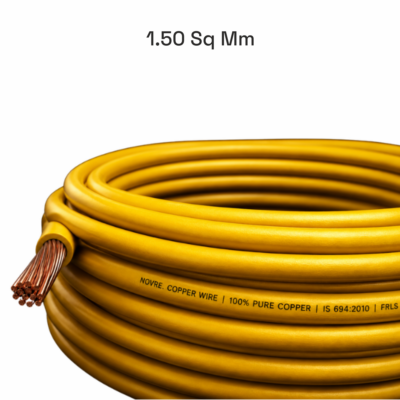
₹3,426
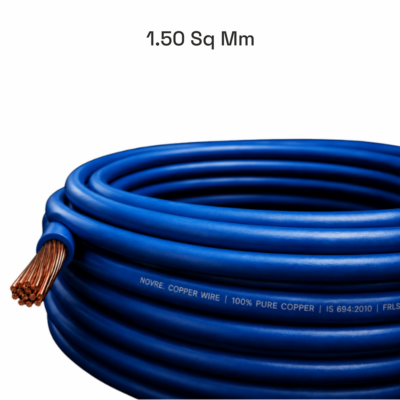
₹3,426
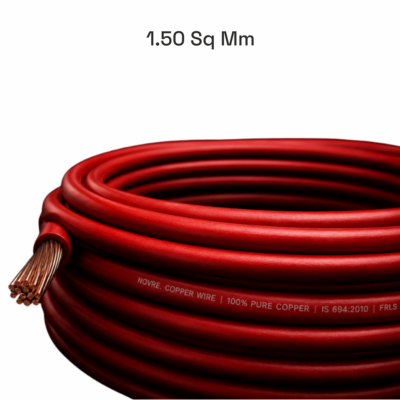
₹3,426
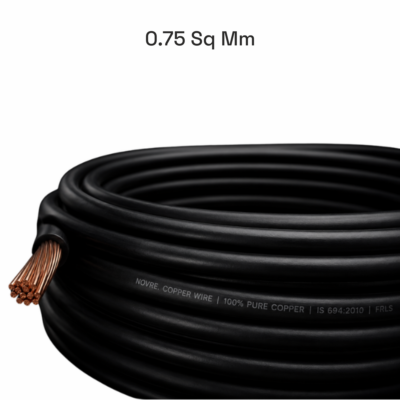
₹1,806
₹2,248
Built to disappear behind the wall
and stay there.
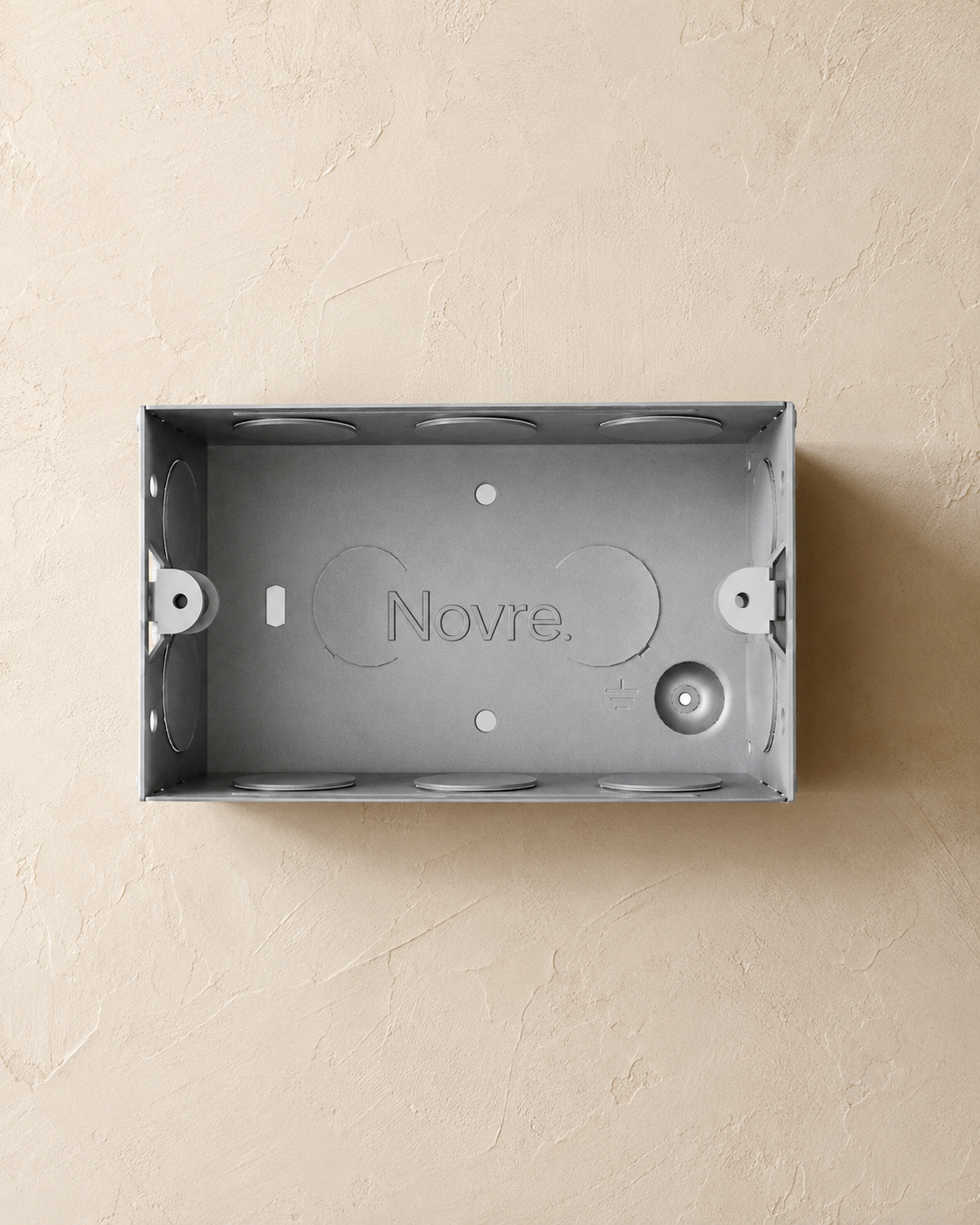
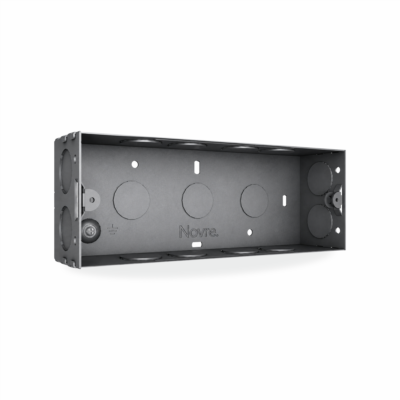
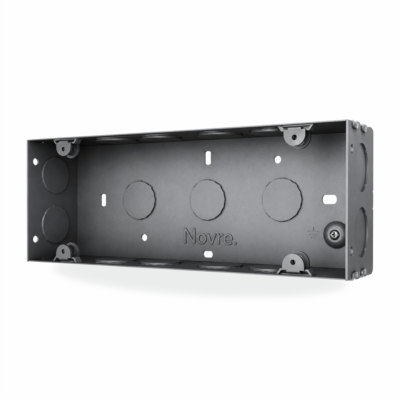
Galvanised iron body, spray-painted for durability, resistant to rust and moisture over decades. The part of Novre you never see, engineered as carefully as the part you do.
- Body CRCA cold-rolled steel, 1.2mm gauge
- Finish Galvanised iron with spray-paint coating
- Depth 50mm — accommodates modular switches with wiring room
- Sizes 1M, 2M, 3M, 4M, 6M, 8M-Horizontal
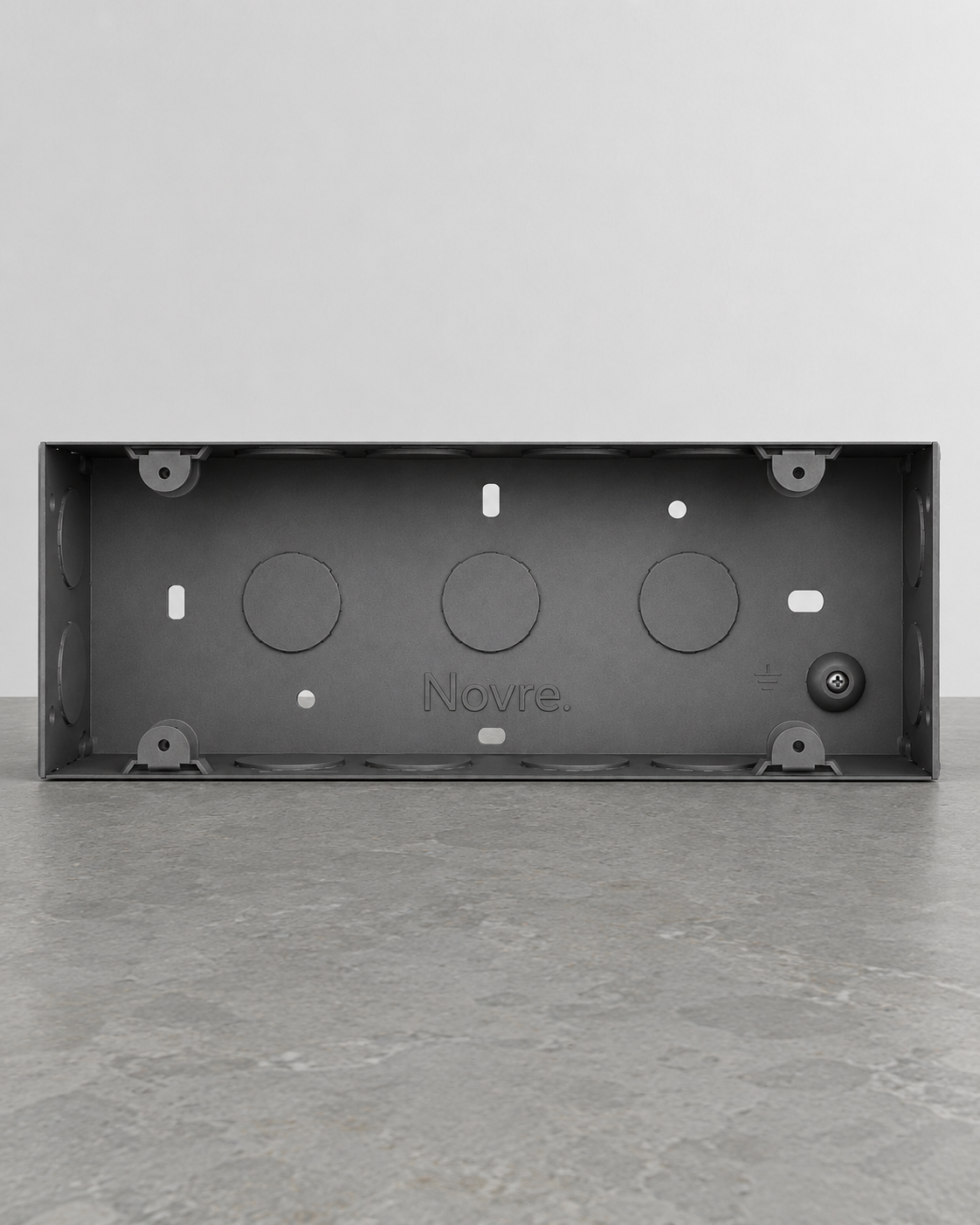
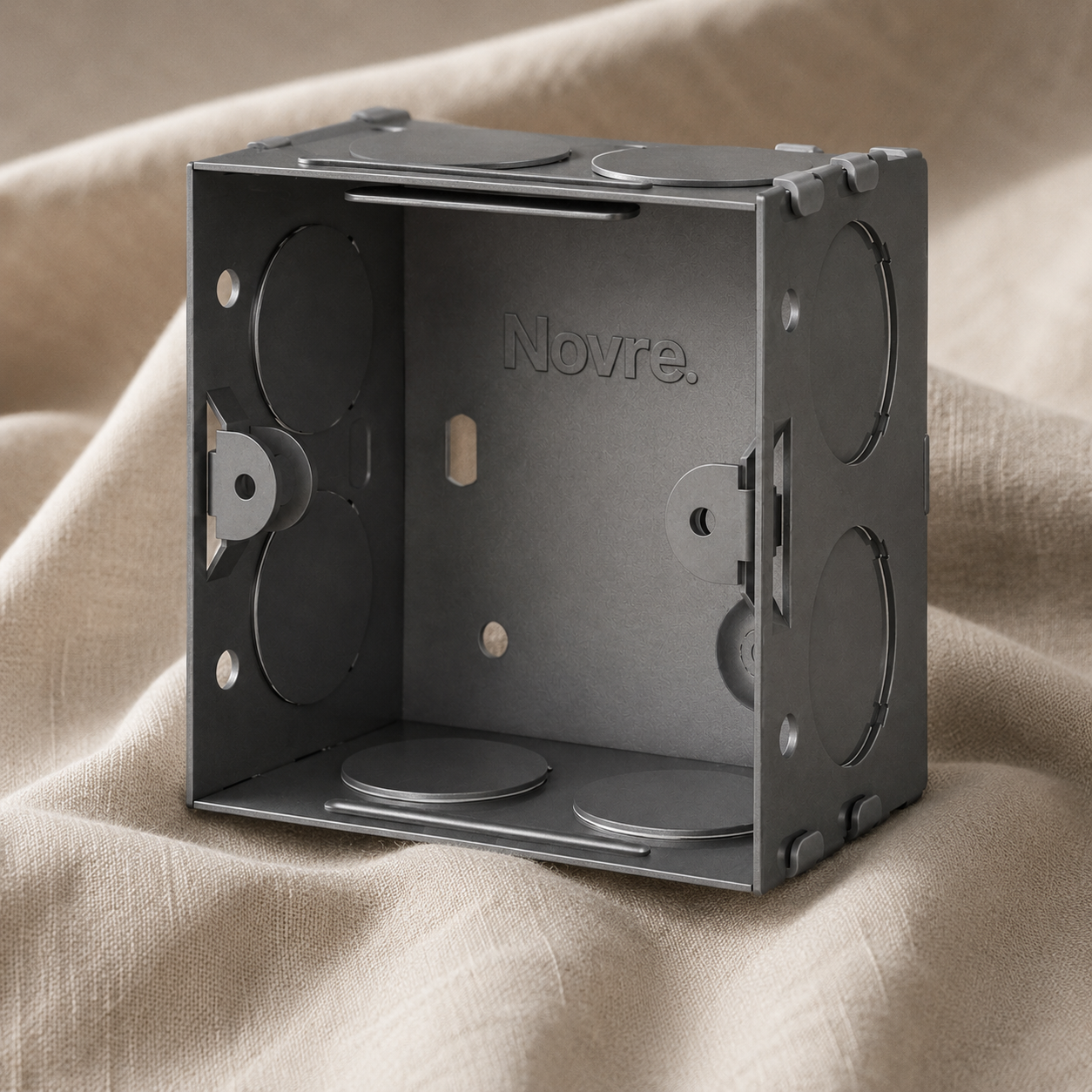
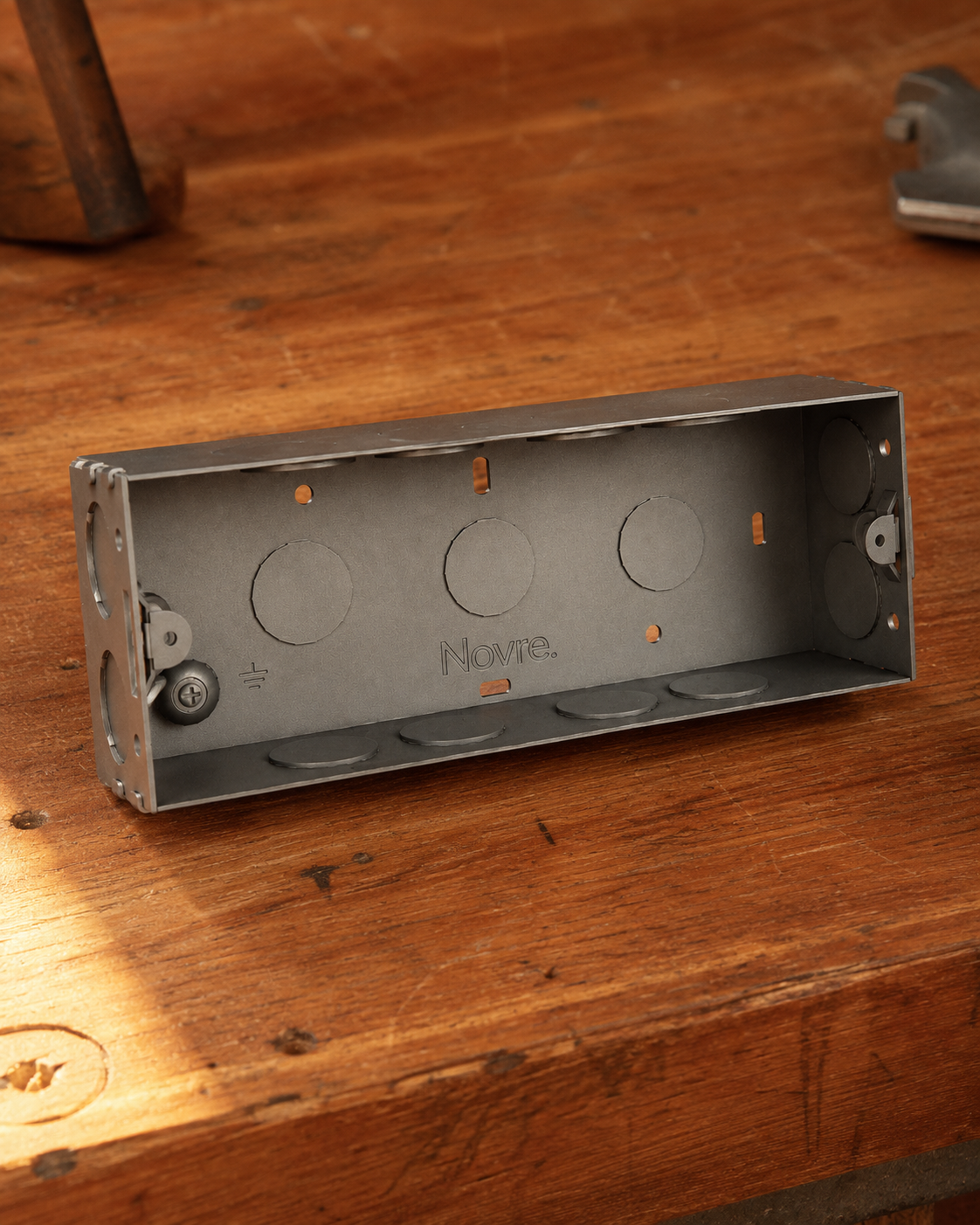
Sized to match every Novre plate.
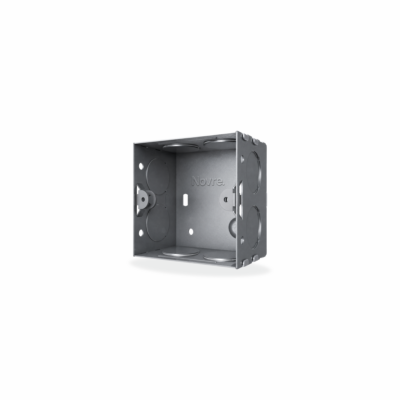
₹88
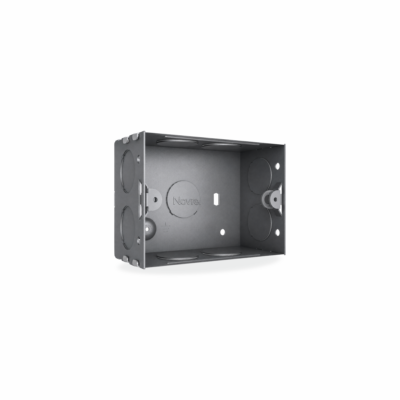
₹106
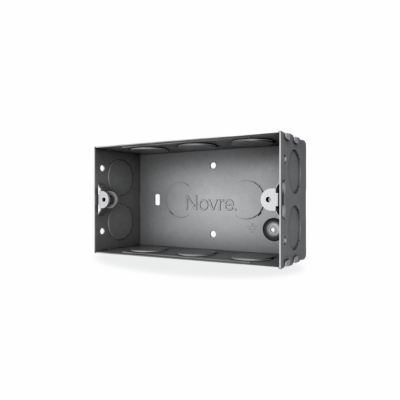
₹133
₹175
₹214
Common questions, honestly answered.
What's the difference between FR and FRLS wire?
FR (Flame Retardant) means the wire won't feed a fire — it self-extinguishes. FRLS adds "Low Smoke" to that — the insulation, when it does burn, releases significantly less smoke. In enclosed residential spaces where smoke inhalation is the leading cause of fire deaths, FRLS is what you specify. All Joule house wire is FRLS-rated per IS 694:2010.
How much wire do I actually need for a 3BHK?
Rule of thumb: 500–800 metres total for a 3BHK, split as roughly 40% 1.5 sq mm (lighting), 30% 2.5 sq mm (sockets and general purpose), 20% 4.0 sq mm (geysers, ACs, sub-mains), and 10% 0.75 sq mm (small loads). This varies with layout — your electrician's estimate is the real answer. Buy 10% more than the estimate; running out mid-installation costs a day.
Which colour goes where?
Standard IS 694 in India: Red for live/phase, Black for neutral, Green for earth. In three-phase systems, Red / Yellow / Blue are the three phases. If your existing wiring uses a different convention, keep matching it — mixing colour codes on the same circuit is the number-one cause of electrician confusion (and safety hazards).
Multi-strand or single-strand — which do I want?
For house wiring almost always multi-strand (also called flexible or stranded). Multi-strand copper flexes without breaking, which matters when the wire is pulled through conduit around corners. Single-strand (solid) copper is used in industrial or fixed-run installations where flex isn't needed. All Joule house wire is multi-strand.
Do I need a different wire for a geyser or AC?
Yes. High-load appliances (geysers 20A+, ACs 16A+, ovens) draw enough current that undersized wire heats up dangerously. Use 4.0 sq mm for geysers and 1.5-ton ACs, 2.5 sq mm for smaller ACs and general 16A sockets. Never share a high-load circuit with lights or 5A sockets.
Are the metal boxes BIS-certified?
They're built to IS 3854 specification (concealed conduit boxes for switches and sockets), CRCA steel body, spray-painted for rust resistance, with pre-punched knockouts for wire entry. They pair dimensionally with all Novre plates — 1M, 2M, 3M, 4M, 6M, and 8M-Horizontal.
What's the warranty?
10 years on both — against manufacturing defects on the wire, and against rust and structural defects on the metal boxes. No fine print.
Behind these walls runs Joule.
In front of them sits Novre.
The switches and plates you'll see every day are made by the same team, held to the same standard. Considered infrastructure, both sides of the wall.
Built to standard.